
Work you can see. Detail you can question.
A curated gallery of supplied installation photographs and capability visuals across energy, electrical work, renovations and interiors.
Selected energy work and service capability.
Cards labelled “selected project photograph” use images supplied for Mazwi. Cards labelled “capability visual” illustrate the relevant service without claiming a named client or completed Mazwi project.
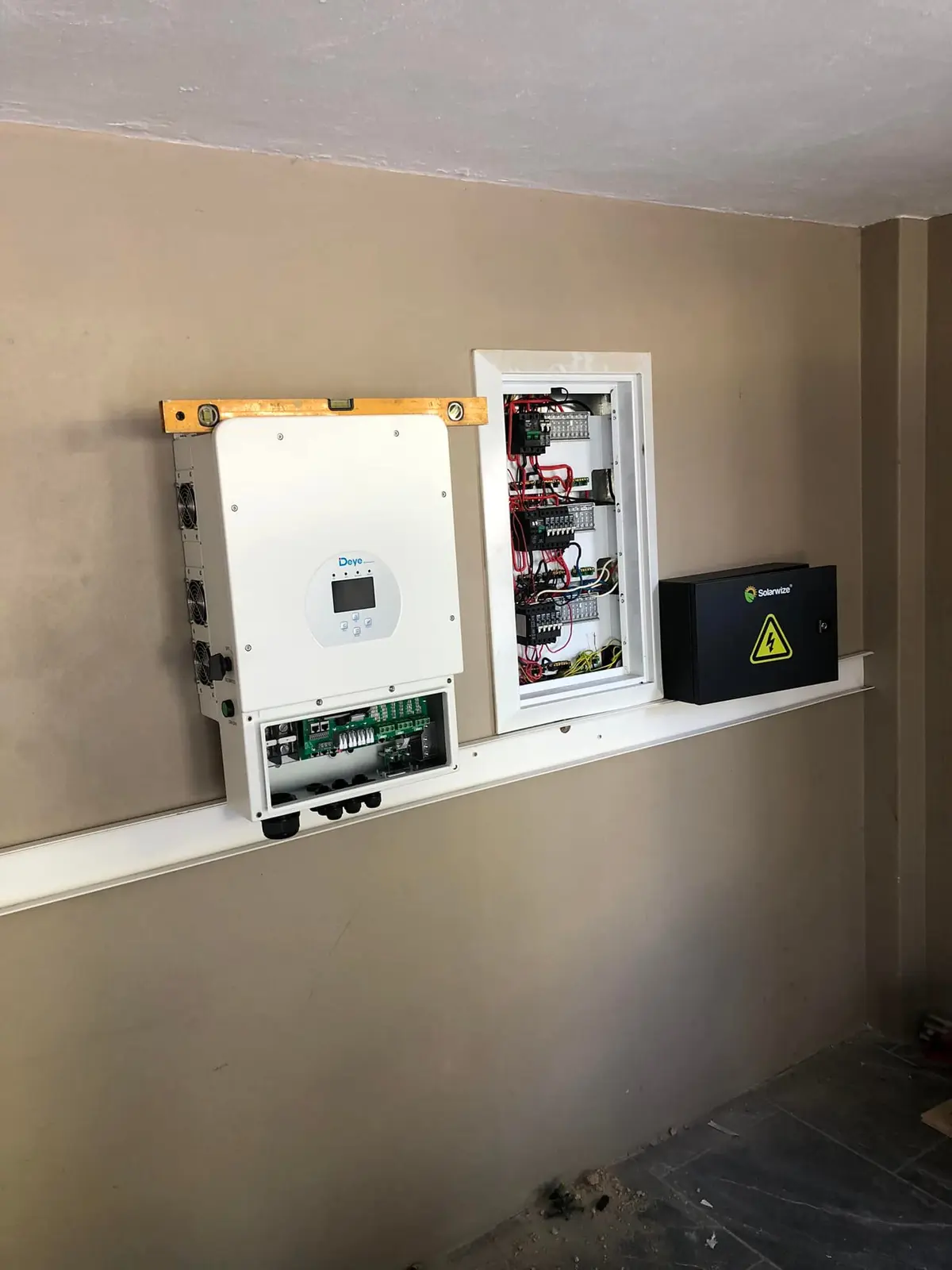
Inverter and distribution integration
Wall-mounted power equipment and associated distribution components.
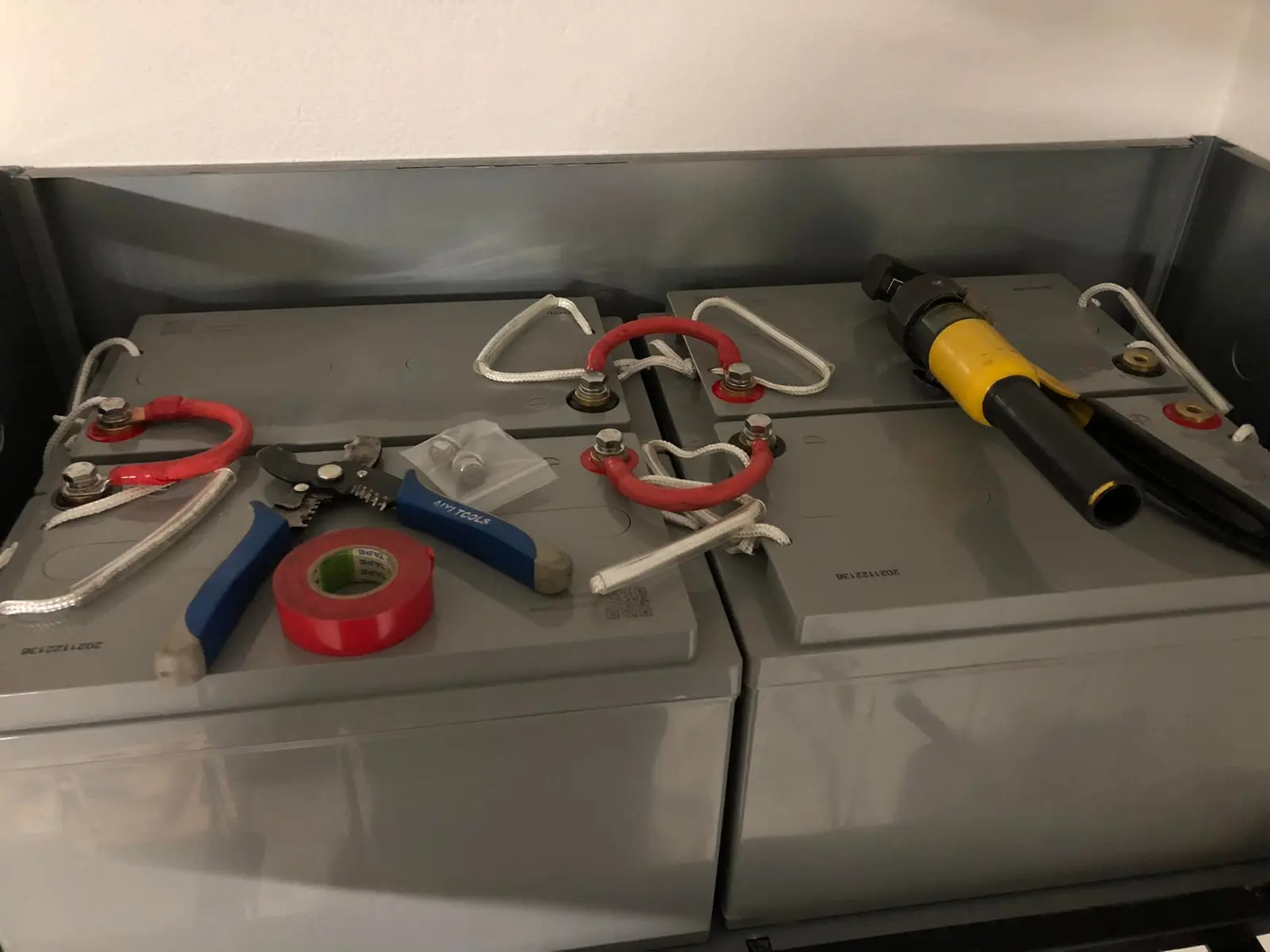
Battery-bank preparation
Connection work captured during system assembly.
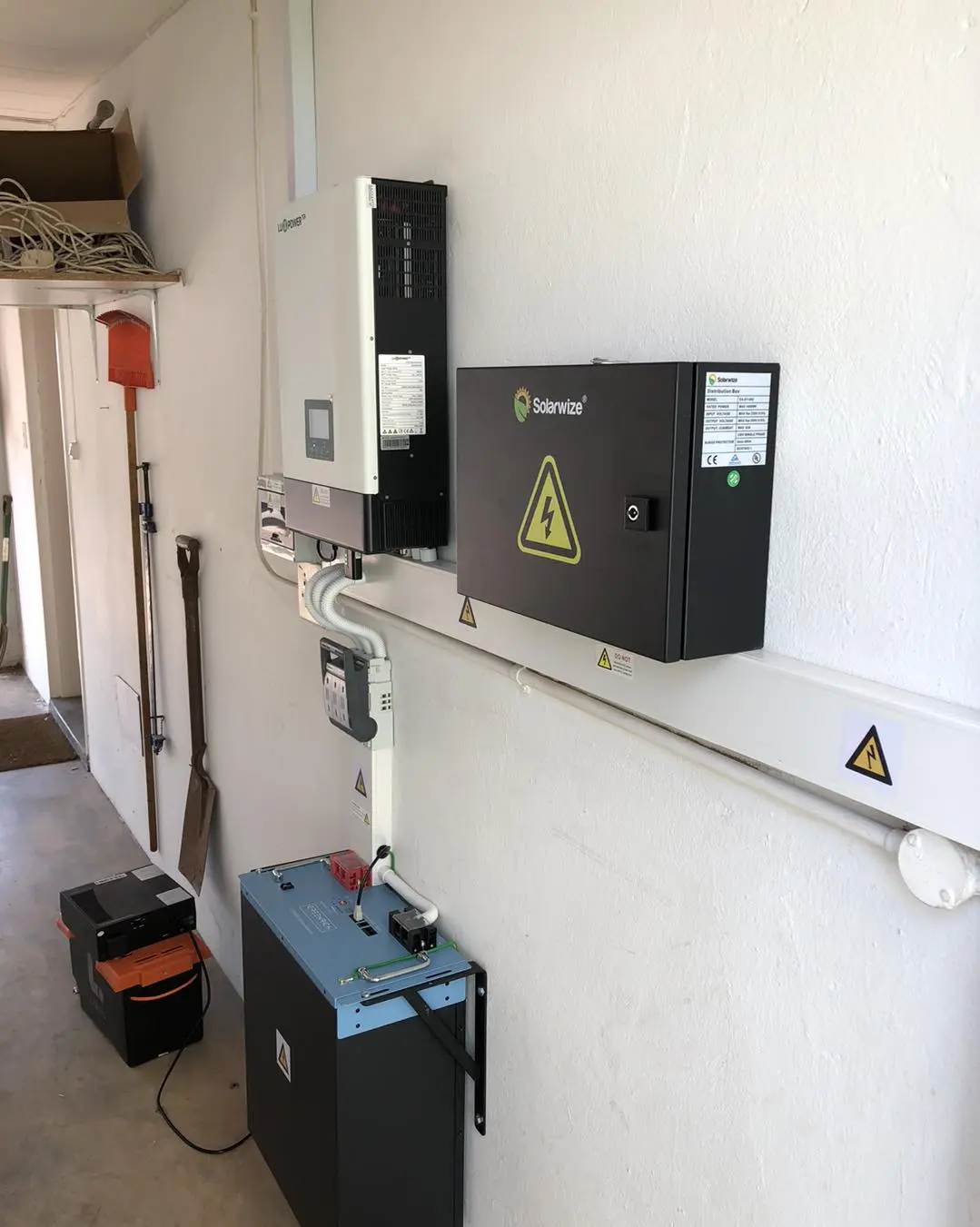
Inverter and storage arrangement
Installed equipment positioned for practical access and integration.
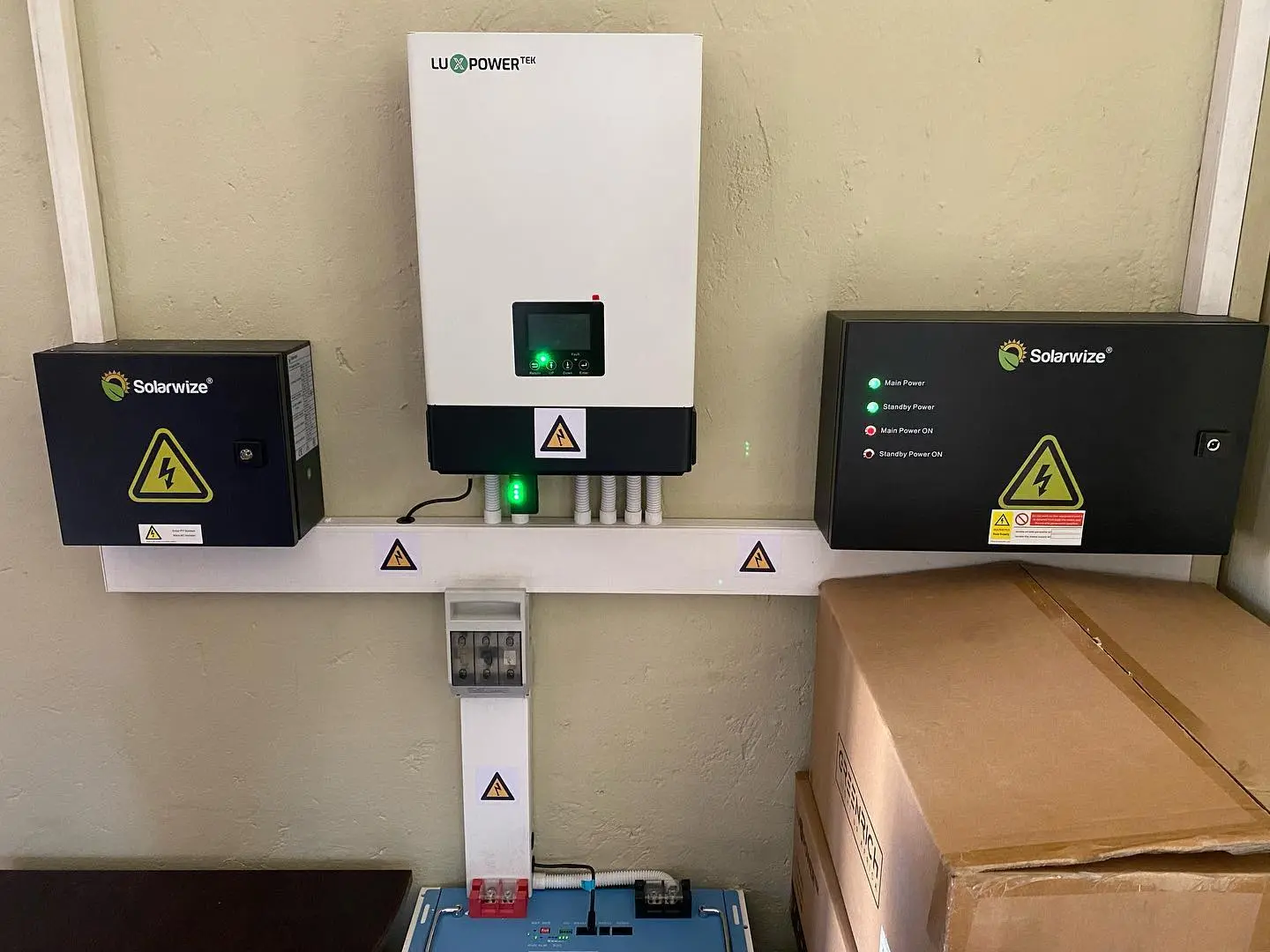
LuxPower inverter system
Inverter, protective enclosures and containment installed as one arrangement.
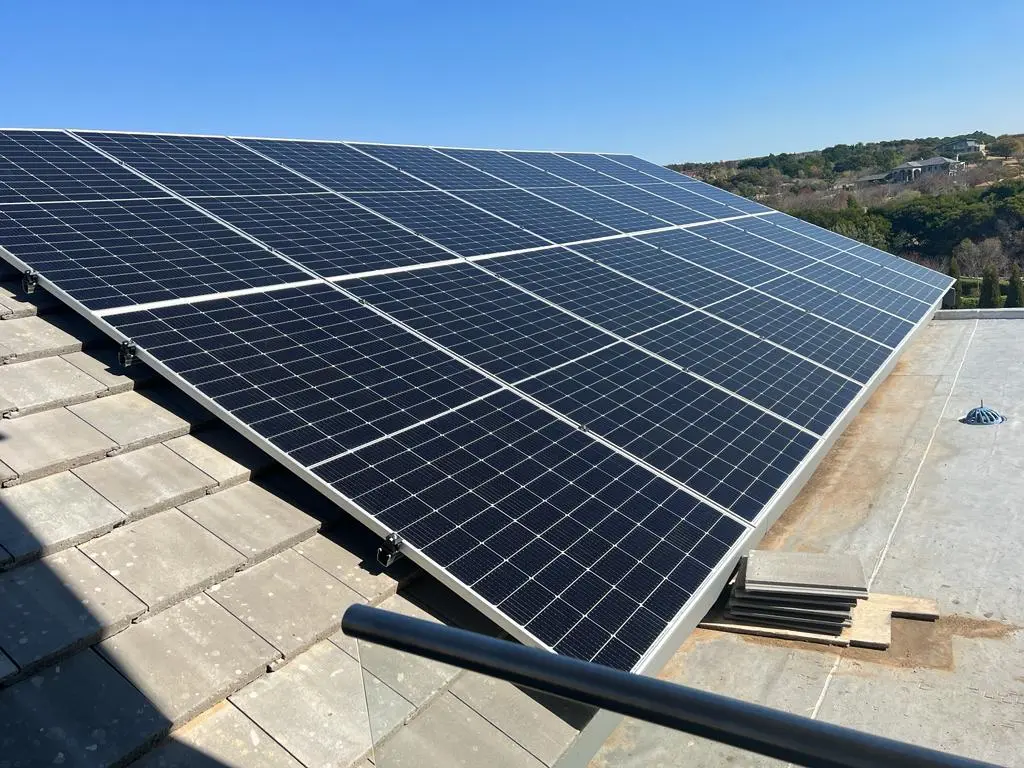
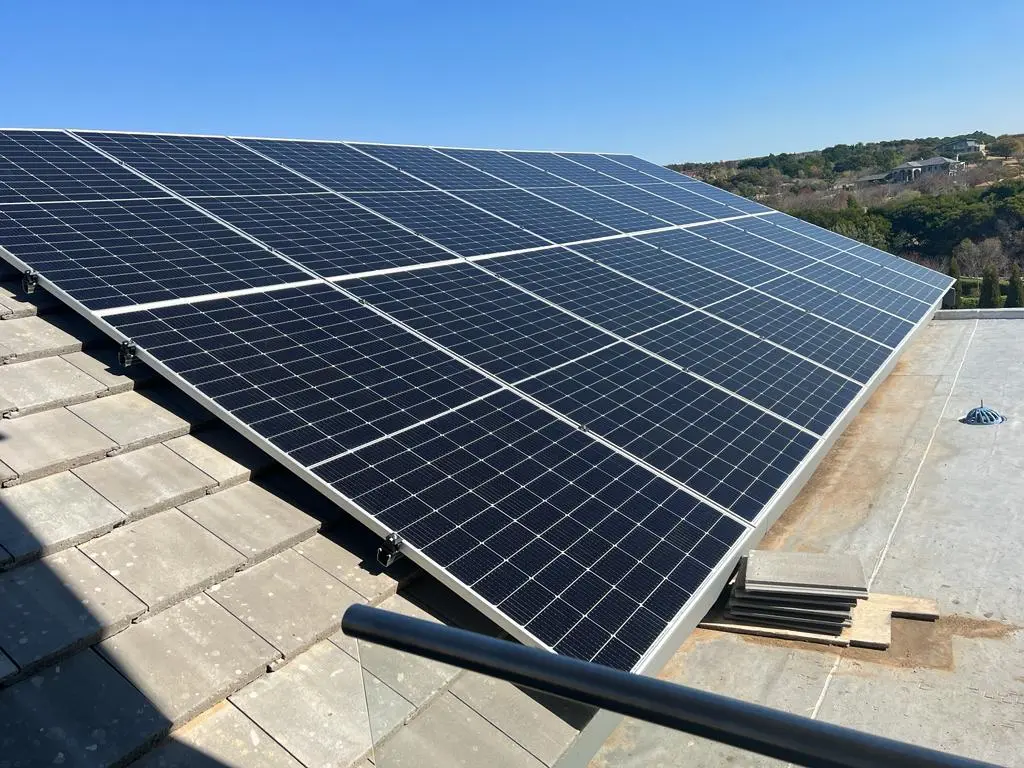
Rooftop generation
Illustrating roof-mounted photovoltaic systems.

Panel installation
Illustrating on-roof solar installation activity.
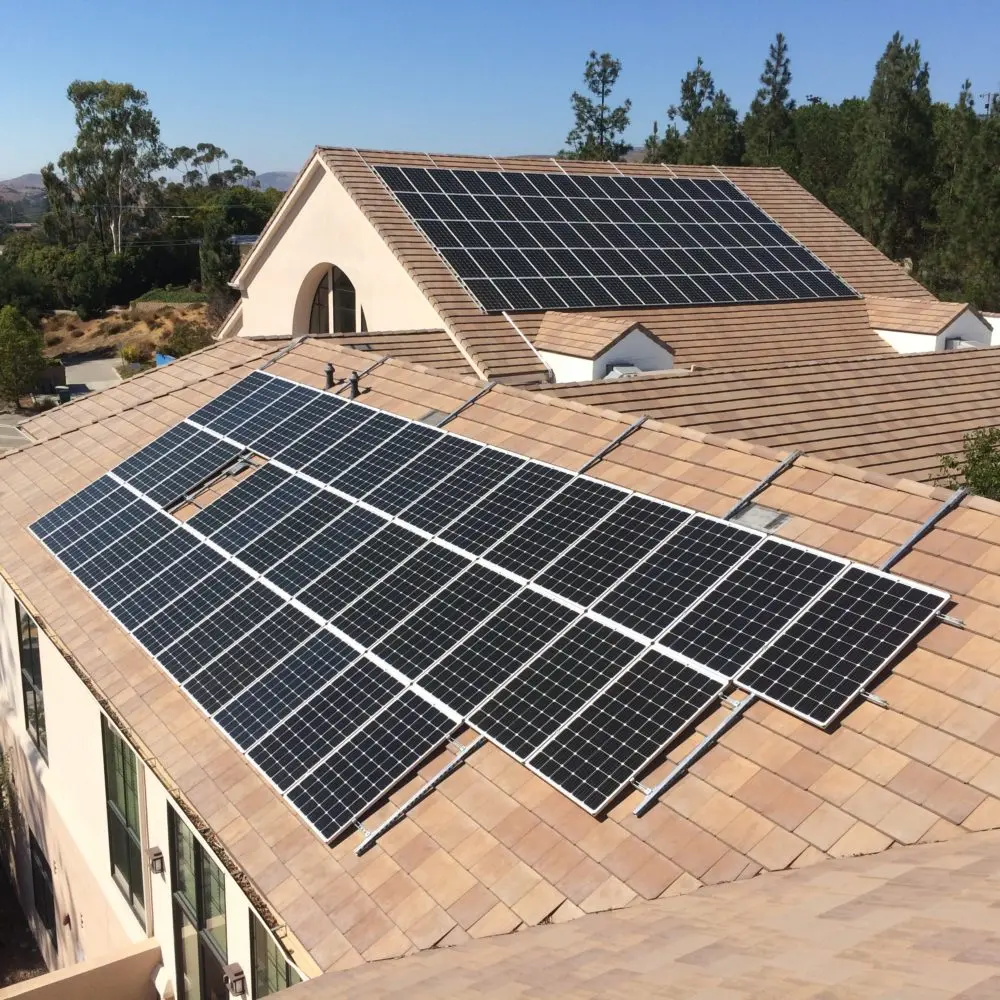
Home solar systems
Illustrating photovoltaic arrays integrated with residential roof areas.

Interior fit-out
Illustrating installation and finishing of custom interior elements.

Preparation and finishes
Illustrating the controlled preparation behind a cleaner finish.

Modern functional spaces
Illustrating coordinated cabinetry, surfaces, lighting and finishes.
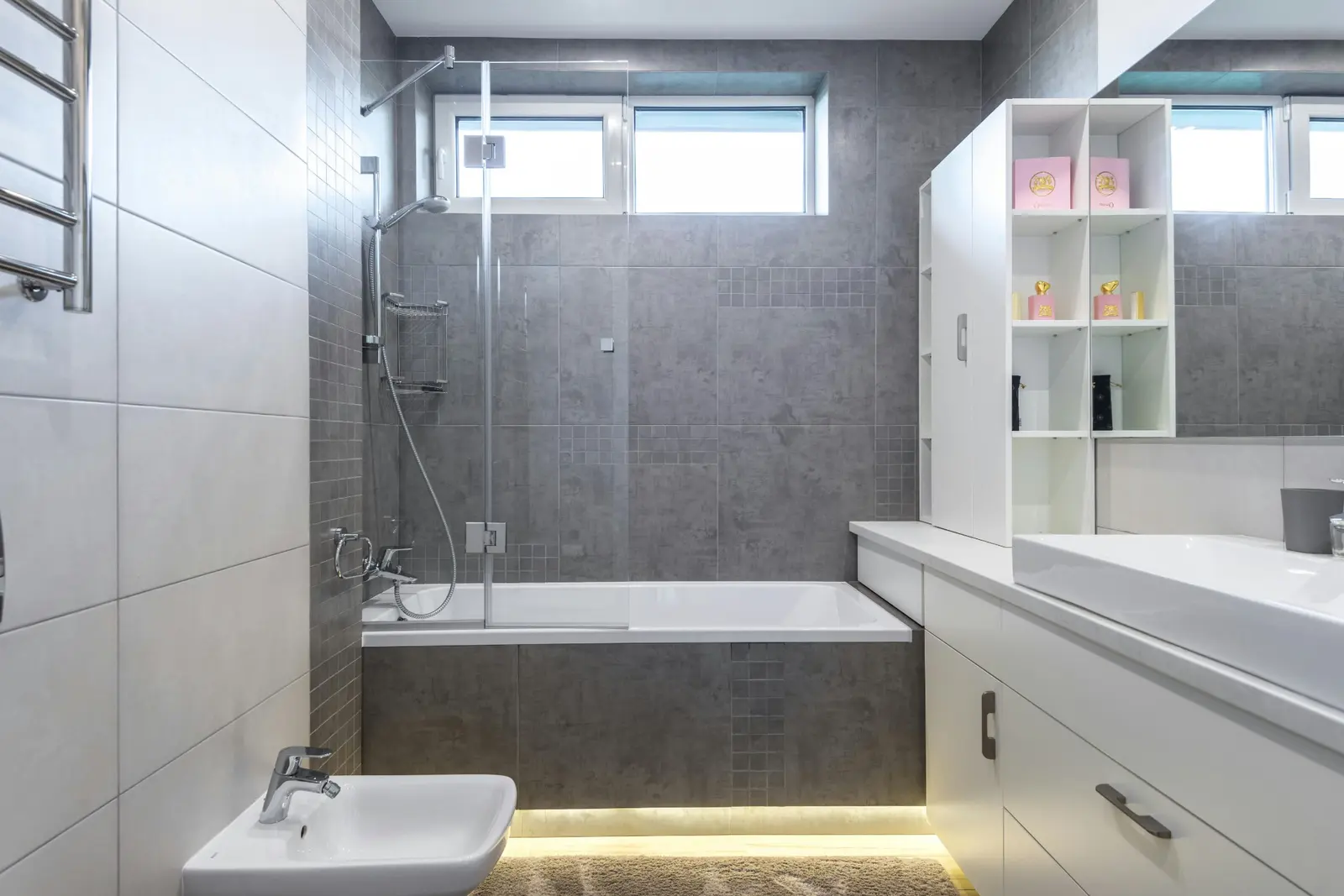
Plumbing and finishes
Illustrating coordinated wet-service and interior work.
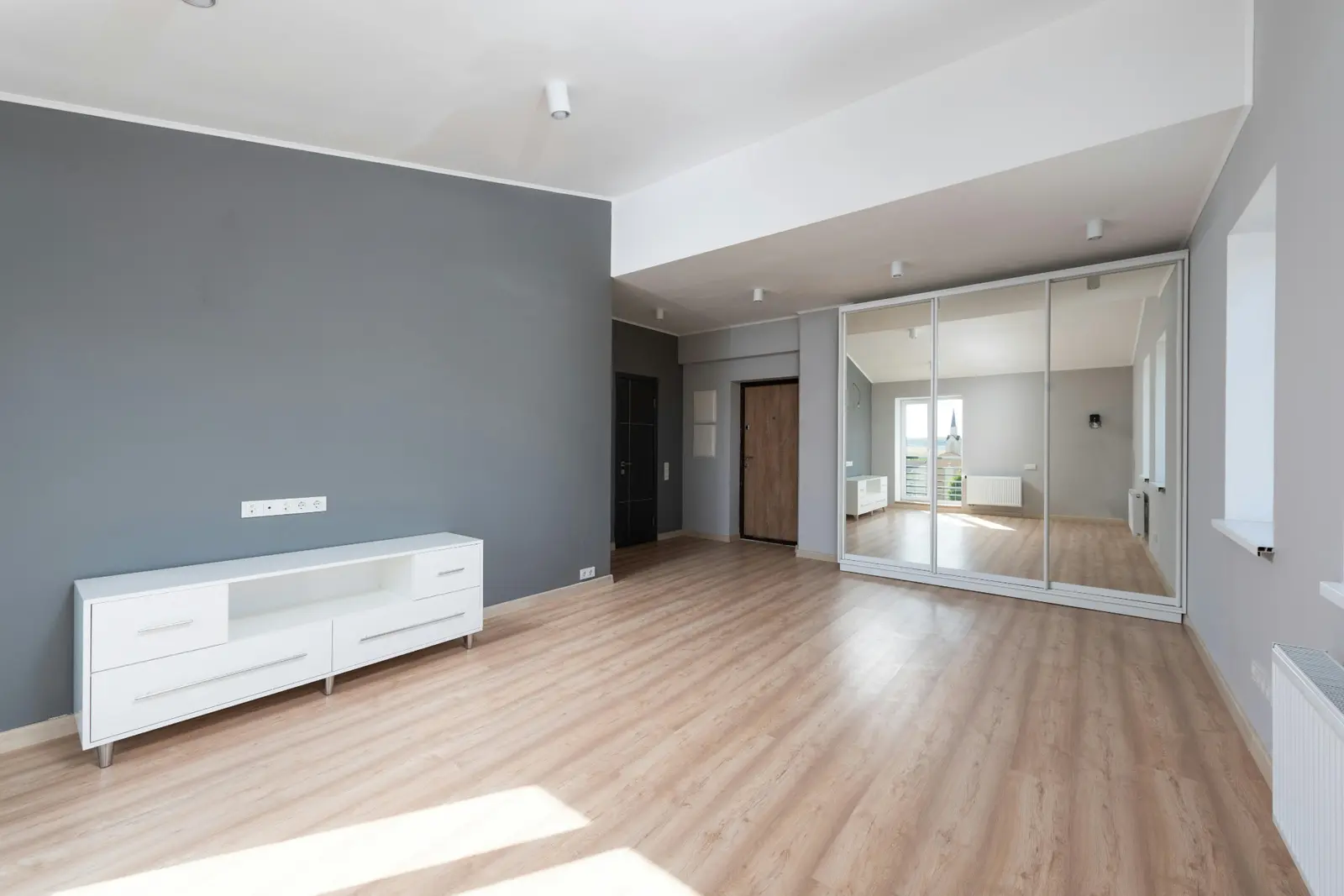
Clean close-out
Illustrating a finished, functional and presentation-ready space.
Backup power is more than a box on a wall.
A credible installation considers the equipment, the electrical interfaces, the building context and the user’s essential loads as one system.
For a residential or small-business backup requirement, a responsible assessment may review current and surge loads, battery autonomy expectations, ventilation, access, existing distribution, protective devices, cable routes, labelling and space for future service.
- Need and essential-load discussion
- Site and existing-system review
- Component and layout proposal
- Installation, testing and user orientation
Important: Project outcomes, equipment models and capacities are site-specific. They should be confirmed in the quotation and technical scope rather than inferred from gallery photographs.
What clients should expect around the workmanship.
Professional delivery is visible in the decisions, records and communication that surround the physical work.
Defined scope
Inclusions, exclusions, assumptions and responsibilities should be understandable before commitment.
Quality controls
Relevant checks, testing, snag management and handover requirements should match the work package.
Communication
Progress, access needs, changes and decisions should be raised early enough to act on them.
Let’s turn the requirement into visible progress.
Send the scope, photographs or tender documents available and tell us what successful completion must look like.